The Role of Sports in Building Resilient and Confident Young People


In today’s fast-paced and often unpredictable world, young people face a wide range of challenges that test their emotional strength and self-confidence. While education plays a critical role in shaping their future, sports offer a unique and equally important pathway for personal development. Engaging in physical activity not only improves physical health but also builds resilience, confidence, and essential life skills that extend far beyond the playing field.
One of the most significant benefits of sports is their impact on mental health. Regular physical activity helps reduce stress, anxiety, and negative emotions, while promoting a sense of well-being and balance. For young people, sports provide a healthy outlet to release pressure and cope with daily challenges. This contributes to stronger emotional resilience, enabling them to handle setbacks and adapt more effectively to difficult situations.
Sports also play a crucial role in developing discipline and responsibility. Training regularly, following rules, and striving toward goals require commitment and consistency. Young individuals learn that progress takes time and effort, and that success is often the result of perseverance. These lessons help shape a strong work ethic, which can be applied in academic, professional, and personal contexts.
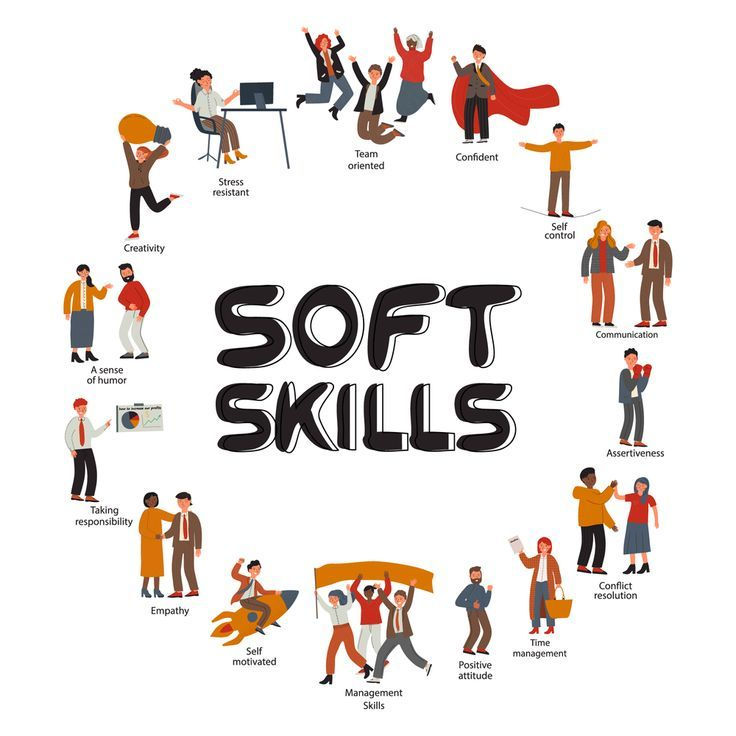
Equally important is the role of sports in fostering teamwork and communication skills. Whether in team-based or individual sports, young people learn how to collaborate, support one another, and work toward a shared objective. They develop the ability to communicate effectively, resolve conflicts, and respect different perspectives, skills that are essential in both personal relationships and professional environments.
Participation in sports also builds self-confidence. Achieving goals, improving performance, and overcoming challenges contribute to a sense of accomplishment and self-belief. Even failures become valuable learning experiences, teaching young people to view setbacks as opportunities for growth rather than obstacles. This mindset is key to developing long-term confidence and resilience.
Ultimately, sports are more than just physical activity, they are a powerful tool for shaping well-rounded individuals. By promoting mental well-being, discipline, teamwork, and self-confidence, sports help young people become stronger, more adaptable, and more prepared for the future. Investing in sports initiatives means investing in a generation that is not only healthier, but also more resilient and confident in facing life’s challenges.