The Role of NGOs in Supporting Youth Development


Young people are one of the most important driving forces behind social progress and innovation. However, many young individuals face challenges such as limited educational opportunities, unemployment, social exclusion, and lack of access to personal development programs. In this context, non-governmental organizations (NGOs) play a crucial role in supporting youth development and empowering young people to become active members of society.
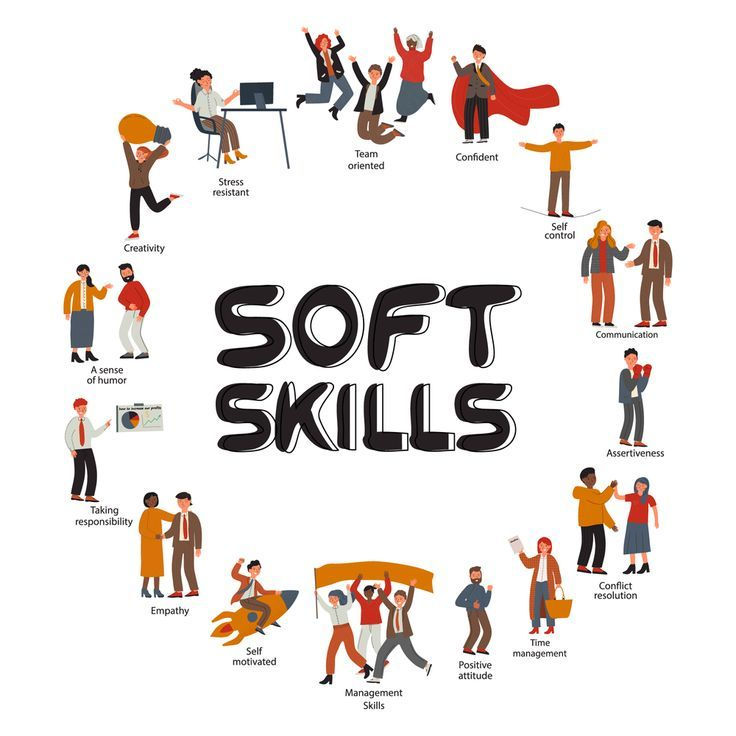
NGOs create opportunities that help young people grow both personally and professionally. Through educational workshops, training programs, volunteering activities, sports initiatives, and international projects, these organizations provide practical experiences that are often not available through formal education systems. Young people gain valuable life skills such as communication, teamwork, leadership, problem-solving, and intercultural understanding.
One of the most significant contributions of NGOs is promoting active citizenship. By involving young people in community projects and social initiatives, NGOs encourage them to take responsibility, participate in decision-making processes, and contribute positively to society. These experiences help young individuals develop confidence, empathy, and a stronger sense of social responsibility.
International programs such as Erasmus+ also demonstrate the important role NGOs play in youth empowerment. Through youth exchanges, training courses, and international partnerships, young people have the opportunity to meet peers from different cultures, improve their language skills, and broaden their perspectives. These experiences foster tolerance, inclusion, and global awareness.
Sports and non-formal education activities organized by NGOs also contribute significantly to youth development. Sports encourage discipline, resilience, teamwork, and healthy lifestyles, while non-formal education creates interactive and engaging learning environments that support creativity and critical thinking.
In addition, NGOs often provide a safe and inclusive environment where young people feel heard, valued, and supported. This is especially important for individuals from disadvantaged backgrounds who may face social or economic barriers. By ensuring equal opportunities and encouraging participation, NGOs help create more inclusive communities.
Ultimately, NGOs are essential partners in building a stronger future for young generations. By investing in youth development, they contribute not only to the growth of individuals but also to the creation of more active, educated, and socially responsible societies. Supporting young people today means investing in a better tomorrow for everyone.