Why Traditional Education Alone Is Not Enough


Traditional education has long been seen as the primary pathway to success, focusing largely on academic knowledge, standardized curricula, and measurable outcomes. While this system provides essential foundations in literacy, numeracy, and critical thinking, it often falls short in preparing young people for the complex and rapidly changing realities of modern life. Classrooms tend to prioritize theoretical understanding over practical application, leaving gaps in the development of real-world skills.
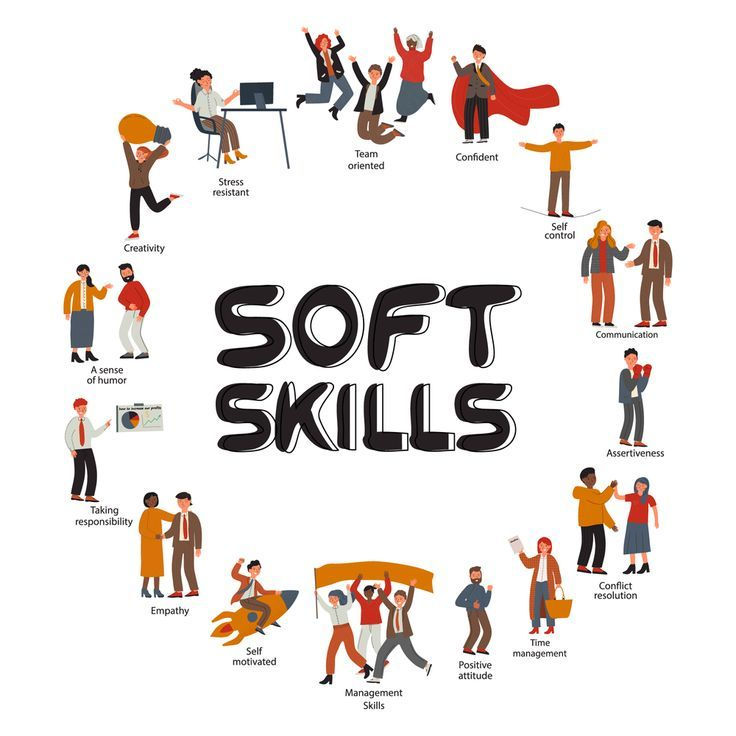
In today’s interconnected and dynamic world, success requires far more than academic achievement alone. Young people are expected to navigate uncertainty, collaborate across cultures, adapt to new challenges, and communicate effectively in diverse environments. Skills such as leadership, emotional intelligence, teamwork, and problem-solving are increasingly recognized as essential but they are not always fully integrated into traditional education systems.
Moreover, conventional education models can limit personal growth by offering a one-size-fits-all approach. Every individual has unique talents, interests, and learning styles, yet rigid systems may not provide the flexibility needed to explore and develop these differences. As a result, many young people graduate with strong theoretical knowledge but lack the confidence, experience, or practical skills needed to apply it meaningfully.
This gap highlights the need for complementary learning experiences beyond the classroom. Activities such as sports, volunteering, and non-formal education programs play a crucial role in shaping well-rounded individuals. They create opportunities for experiential learning, where young people can develop resilience, initiative, and a sense of responsibility qualities that are difficult to cultivate through textbooks alone.
Recognizing these limitations does not diminish the value of traditional education; rather, it emphasizes the importance of expanding it. By combining academic learning with practical experiences and personal development opportunities, we can better equip young people to succeed not only in their careers, but also as active, engaged members of society.