
The Importance of Soft Skills for Future Career Success

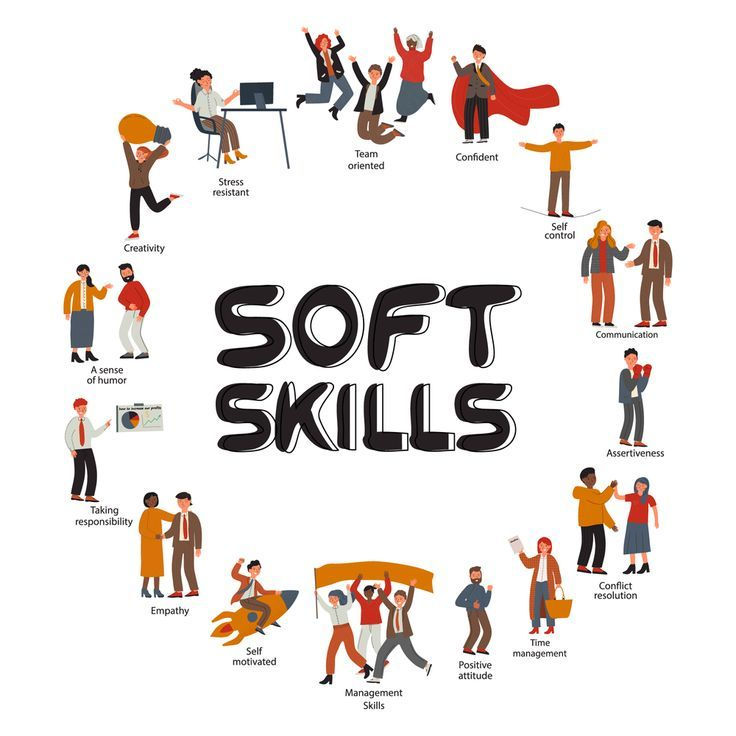
In today’s rapidly evolving job market, having technical knowledge and academic qualifications is no longer enough to guarantee career success. Employers are increasingly looking for individuals who possess strong soft skills—personal qualities that enable people to communicate effectively, work well with others, and adapt to different situations. As industries continue to change and technology becomes more advanced, soft skills have become one of the most valuable assets young people can develop.
Communication is one of the most important soft skills in any professional environment. Whether presenting ideas, participating in meetings, or collaborating with colleagues, the ability to express thoughts clearly and listen actively helps build strong working relationships. Effective communication reduces misunderstandings, increases productivity, and creates a more positive workplace culture. Young people who develop these abilities early often find it easier to succeed in both educational and professional settings.
Another essential soft skill is teamwork. Most modern workplaces require employees to collaborate with people from diverse backgrounds and with different perspectives. Working effectively in a team involves respecting others’ opinions, sharing responsibilities, and contributing toward common goals. Through teamwork, individuals learn cooperation, problem-solving, and conflict resolution—skills that are highly valued by employers across all sectors.
Adaptability and problem-solving have also become increasingly important in a world characterized by constant change. New technologies, evolving workplace expectations, and global challenges require professionals who can adjust quickly and find creative solutions. Individuals who are open to learning, willing to embrace change, and capable of overcoming obstacles are often better prepared to navigate the uncertainties of modern careers.
Volunteering, sports activities, youth projects, and international programs provide excellent opportunities to develop soft skills in practical ways. Experiences such as participating in community initiatives, leading a team, or engaging in intercultural exchanges help young people build confidence, leadership abilities, and emotional intelligence. These experiences not only enrich personal growth but also strengthen employability by demonstrating initiative and responsibility.
As the future of work continues to evolve, soft skills will remain essential for long-term career success. While technical expertise may open doors, qualities such as communication, teamwork, adaptability, and leadership often determine how far individuals progress in their professional journeys. By investing in the development of these skills, young people can prepare themselves to thrive in an increasingly competitive and interconnected world.


